This is Tieto
Our businesses
Tieto Indtech
Tieto ensures 100% delivery reliability for Gabriel's trade messages across borders.

With expertise, a solutions-oriented approach, and in-depth knowledge of Gabriel's business, Tieto ensures minimal friction in the development and maintenance of trade messages.
All trade messages between Gabriel and their customers are naturally integrated into M3. Digitization is necessary to save resources and minimize errors resulting from manual work.
Having a single contact person who understands our business in detail is a huge advantage for us as a customer. Many companies only allow communication through ticketing systems, but that makes you feel like just a number in the queue. Working with someone who knows us well adds much more simplicity to the process.
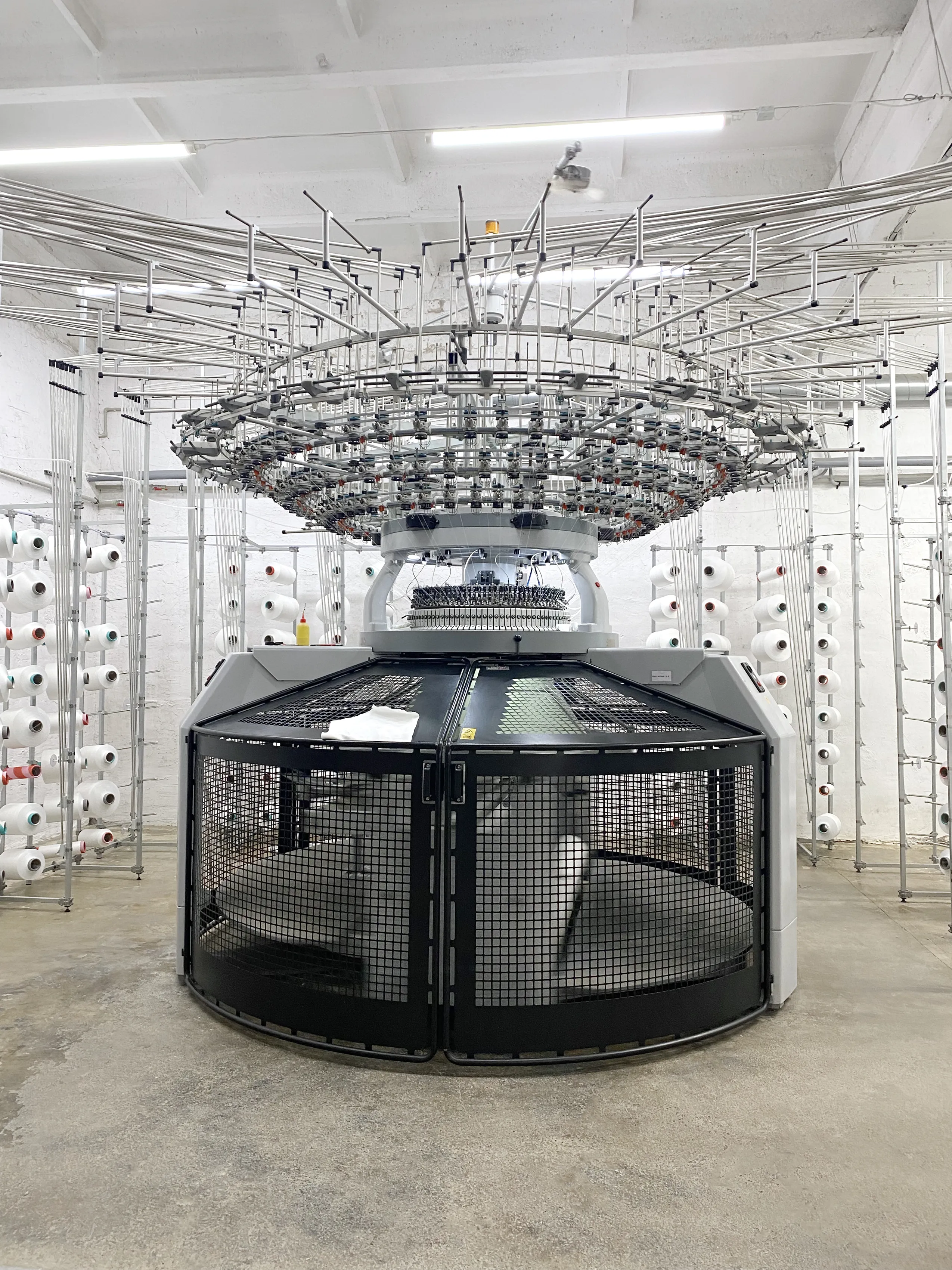
Gabriel Group offers products and solutions for the global furniture industry, including development, design, and production of textiles, furniture, and components. Additionally, the company provides customized samples, solutions for acoustic comfort, and expertise in knitting, embossing, and lamination services.
With over 1200 employees, generating more than 900 million Danish kroner in revenue, and maintaining customer relations in 57 countries, Gabriel has a wide reach.
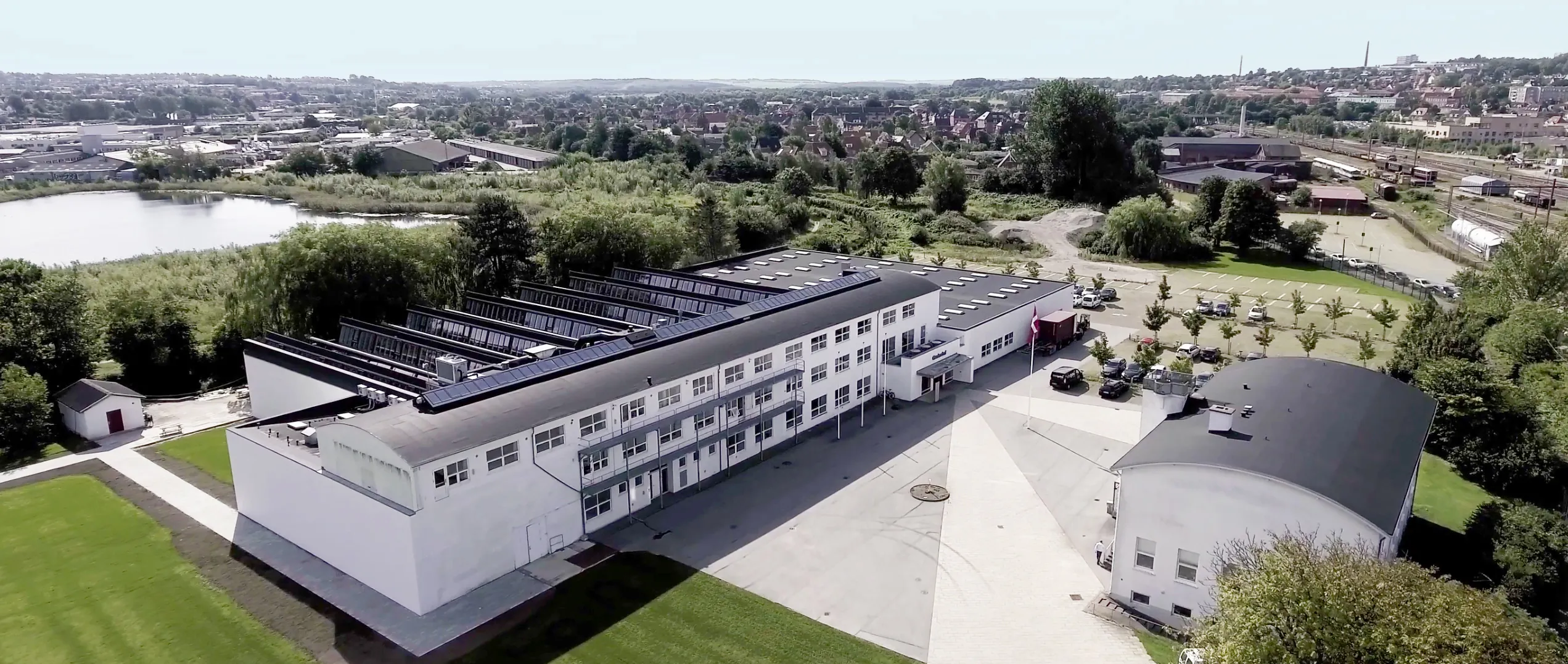
Dealing with complex products, there are significant potential sources of errors in manual handling of trade messages such as orders, order confirmations, delivery notes, and invoices. Since 2014, Gabriel has been collaborating with Tieto to digitize trade messages between the various companies under the Gabriel umbrella and their customers worldwide.
Our collaboration with Tieto started long before I joined the company. Gabriel experienced significant growth since the time we began using M3. Optimization and digitalization of all processes in a global business are crucial, hence the need for EDI solutions.
One of the benefits of digitized trade messages is timesaving, which allows for the allocation of free resources to other tasks.
It's certainly a matter of cost-effectiveness. But, equally important, we strengthen our bond with customers by using digital solutions that integrate them into our collaboration. We become more connected when we have solutions tailored to each other's business compared to the 'old days' when we made a phone call, received an invoice, and had goods sent by post", says Vagn Nielsen.
He highlights that the work on digitized trade messages has been a precursor to Gabriel's ongoing digitalization process, exploring the possibilities of artificial intelligence and robotics in production.
"The entire mindset of digital workflow began with EDI, where today we focus on automation and data integration across platforms as part of our business growth", continues Vagn Nielsen.
When asked where Gabriel would be today if the story hadn't started ten years ago, Nielsen is clear that they would have lost many customers if they hadn't been ready to digitize their collaboration.
Moreover, we have the security of receiving accurate orders and sending the right products to customers, which is optimized with these solutions. Most of our delivery errors are due to manual data entry, precisely because many of our products are complex with many variables. It's an obvious motivator to implement EDI with as many customers as possible.
Gabriel's ERP manager explains that the journey with Tieto has primarily involved developing standard EDI solutions: at a high level, the customer sends an order, which is received and read. Order confirmations, delivery notes, and invoices are then sent back.
"However, some of our customers face challenges with EDI. Sometimes they don't have an ERP system, and other times they only have some Excel sheets or custom XML formats. Around half of our customers are in the furniture industry, dealing with many configured items. This makes the tasks more complex", he says.
This complexity makes it more challenging than having standard messages throughout the process. That's why we greatly benefit from Tieto, allowing us to customize the different solutions that come from our customers.
Customer Service Manager Torild Antonsen from Tieto emphasizes that some of the communications to Gabriel's customers can be unique and challenging to set up. She highlights that the many exciting projects have provided valuable learnings.

When a new customer needs to be integrated with M3 at Gabriel, we check the communication, obtain contacts, establish communication, and agree on the message format. We check if we already have something similar for Gabriel and can reuse it. Test files are sent, and we get started.
The time it takes to set up integration between Gabriel and a new customer varies from a couple of months to a couple of years.
"It can sometimes take a while, but it's nobody's fault. There are many variables that can come into play, and digitalization of trade messages is far from the only thing we deal with. Tieto has a 100% delivery reliability, and if there are unforeseen data issues in the files we exchange, it can present a challenge. However, it always gets resolved", emphasizes Vagn Nielsen.
Once integration between Gabriel and a customer is established, Tieto continues to develop and maintain it with new data fields resulting from new requirements or standards, such as the European format Peppol.
An example is the FSC environmental certification, which promotes responsible forest management. According to Peter Vagn Nielsen, this is a requirement from customers, and the certification needs to be included when exchanging documents.
"Such development has been part of our progress in recent years. New fields are added to an XML file from Gabriel, which we extract and integrate into relevant message documents, as customers expect to find the information. All the steps need to be agreed upon, tested, and then put into production", says Antonsen.
Peter Vagn Nielsen emphasizes that setting up and maintaining trade messages between different units in Gabriel and their international customers involves considerable work. Therefore, outsourcing this service is the right choice for the company.
"I am pleased with our collaboration with Tieto. There are other providers, and perhaps we could save some money by switching. But we receive excellent service and have a good relationship where our dedicated consultant knows our business. I also appreciate being able to brainstorm and receive suggestions for solutions from Tietoevry, while also being open to their critical perspective. That's a significant advantage", he concludes.
Let’s discuss how we can support your operational success and future growth.